 615-826-9223
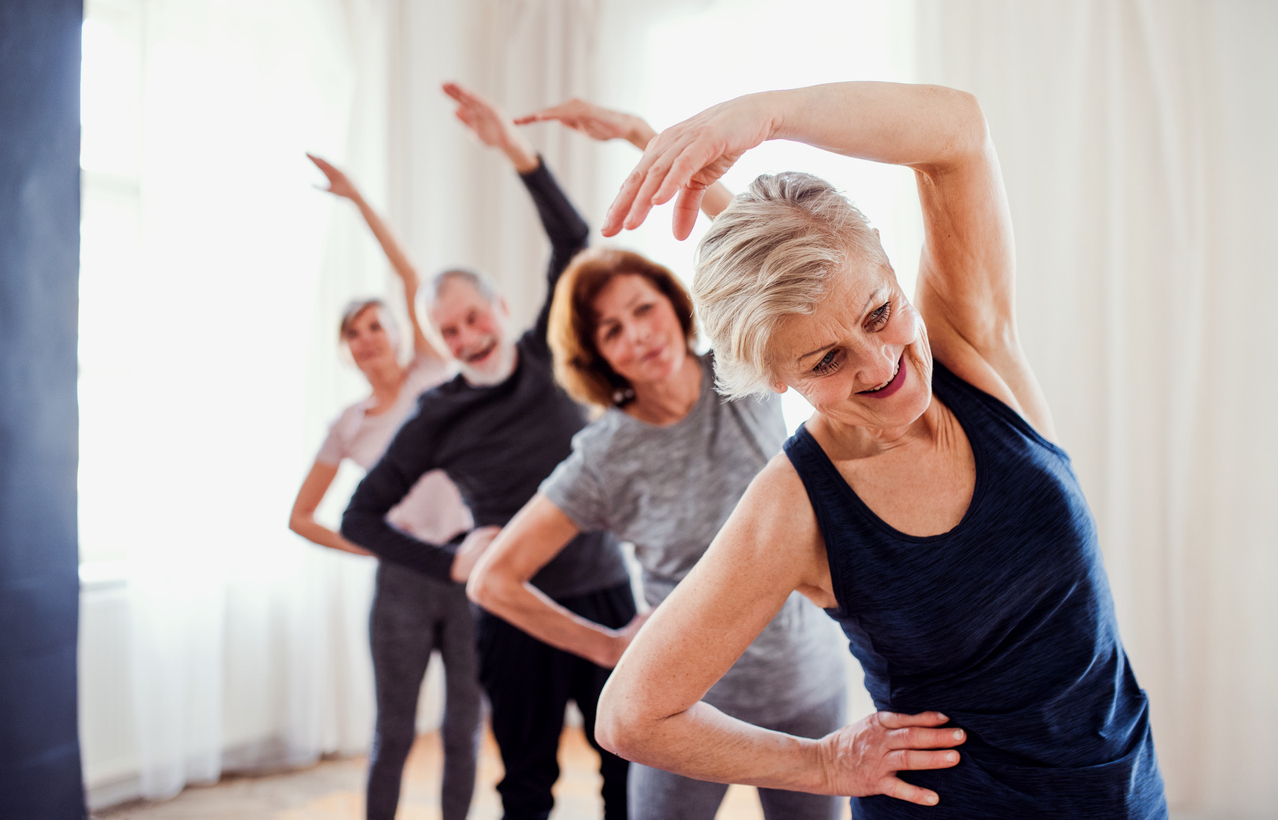
Quick Summary: From walking and water aerobics to strength training and yoga, there are safe, effective exercises for older adults at every fitness level. This guide walks through eight senior workout routines, explains the benefits of each, and offers practical tips for getting started—whether you’re building a new habit or refreshing an existing one.
Whether you’re just getting started or looking to refresh your routine, there are more options than ever to stay in shape as an older adult. Forget the myth that serious exercise is only for the young or the athletic. The right senior workout routines are designed to be safe, effective, and genuinely enjoyable, and the payoff is enormous.
Regular movement helps older adults maintain strength, protect their joints, sharpen their minds, and preserve the independence they’ve worked their whole lives to build. The key is finding exercises for older adults that match your ability level, fit into your daily life, and—most importantly—that you’ll actually keep doing.
At Clarendale at Indian Lake in Hendersonville, Tennessee, wellness is built into the rhythm of daily life. With exercise classes, walking paths, and a calendar full of programming, Nashville-area residents have everything they need to stay active, connected, and thriving right outside their door.
Here are eight accessible, effective exercises and senior workout routines to help you stay in shape at any age.
Before You Begin: A Note on Safety
Before starting or significantly changing any exercise routine, it’s always a good idea to check in with your physician or a physical therapist. They can help identify any limitations, recommend modifications, and ensure your workout plan supports—rather than works against—your existing health conditions. Once you have the green light, start gently, progress gradually, and listen to your body throughout.
1. Walking
Why it works: Walking is the most accessible low-impact exercise for seniors, and it requires no equipment, no gym membership, and can be done at any pace.
Walking is often called the perfect exercise, and for good reason. It elevates heart rate, supports cardiovascular health, improves circulation, and helps maintain a healthy weight—all while being gentle on joints. For older adults, consistent daily walks have been linked to lower rates of heart disease, better blood sugar regulation, and improved mood.
Getting started: Aim for a ten-minute walk after a meal and build from there. Communities like Clarendale at Indian Lake feature dedicated walking paths that make it easy to get your steps in without ever leaving the neighborhood. For added safety and motivation, invite a neighbor to join you.
2. Water Aerobics and Swimming
Why it works: Water provides natural resistance while buoying the body, making aquatic exercise one of the most joint-friendly senior workout routines available.
The buoyancy of water reduces the impact on knees, hips, and the spine, making it ideal for older adults managing arthritis, joint pain, or recovering from surgery. At the same time, moving through water provides natural resistance that builds muscle and improves cardiovascular endurance. Water aerobics classes are also a fantastic social activity.
Getting started: Look for water aerobics classes at nearby recreation centers or YMCAs in the Hendersonville area. These classes are typically structured for all ability levels, with instructors who can offer modifications. If you’re a swimmer, even a few laps at a comfortable pace deliver significant health benefits.
3. Chair Exercises
Why it works: Chair-based exercises make staying in shape for the elderly accessible to virtually everyone, regardless of mobility level or balance concerns.
Chair exercises are a game-changer for older adults who are new to exercise, managing limited mobility, or simply want a low-risk starting point. Performed seated or while holding a chair for support, these movements can build meaningful strength, improve flexibility, and even get your heart rate up.
Effective chair exercises include: seated leg raises, seated marches, chair squats (standing from seated and lowering back down slowly), overhead arm raises with light weights or resistance bands, and seated torso twists for spinal mobility.
Getting started: Many senior living communities in the Nashville area offer seated fitness classes. A YouTube search for ‘seated exercises for seniors’ also provides a wealth of free, guided routines you can do from the comfort of your apartment.
4. Resistance Band Training
Why it works: Resistance bands make strength training for older adults safe, affordable, and adaptable to any fitness level.
Strength training for older adults doesn’t have to involve heavy weights or gym machines. Resistance bands offer a versatile alternative that builds functional muscle mass—the kind that helps you carry groceries, rise from a chair, and climb stairs without strain. Stronger muscles also protect joints and support bone density, both of which are critically important for reducing fracture risk.
Common resistance band exercises for seniors include bicep curls, shoulder presses, seated rows, leg extensions, and lateral walks. Most movements can be performed standing or seated, making them highly adaptable.
Getting started: Resistance bands come in light, medium, and heavy resistance and are inexpensive. Start with a lighter band and focus on proper form before increasing resistance. If you’re new to this type of movement, one session with a physical therapist or certified fitness instructor can help you establish a safe, effective routine.
5. Yoga
Why it works: Yoga builds flexibility, core strength, and body awareness. Plus, its mindfulness component offers mental health benefits alongside its physical benefits.
Yoga is one of the most holistic low-impact exercises for seniors. It gently lengthens and strengthens muscles, improves posture, and increases the range of motion in joints, helping reduce the chronic stiffness that often accompanies aging. Yoga’s breathing techniques also support stress reduction and better sleep.
For older adults concerned about traditional standing yoga poses, chair yoga offers the same benefits in a fully seated format. Many senior living communities and community centers offer gentle or chair yoga classes specifically designed for older participants.
Getting started: Look for beginner or gentle yoga classes, and let the instructor know about any physical limitations beforehand. Most instructors are experienced in offering modifications that keep the practice safe and accessible.
6. Tai Chi
Why it works: Tai Chi is one of the most evidence-backed exercises for fall prevention—a critical component of staying in shape and staying safe as an older adult.
Tai Chi is a slow, flowing practice that emphasizes deliberate weight shifts, coordinated breathing, and gentle balance challenges. Research published by the CDC identifies Tai Chi as an effective fall-prevention strategy for older adults, reducing fall risk by improving balance, coordination, and lower-body strength.
Beyond fall prevention, Tai Chi supports joint health, reduces stress, and has been shown to improve sleep quality and reduce symptoms of anxiety and depression. Its meditative quality makes it as good for the mind as it is for the body.
Getting started: Many senior living communities, recreation centers, and libraries offer free or low-cost Tai Chi classes. Look for programs specifically designed for older adults or beginners that move at a comfortable pace and include balance support options.
7. Stationary Cycling
Why it works: Stationary cycling delivers effective cardiovascular conditioning as a low-impact exercise for seniors, with no risk of balance loss and easy intensity control.
Cycling builds leg strength and cardiovascular endurance without the joint stress of running or high-impact aerobics. On a stationary bike, there’s no risk of losing balance or being affected by traffic or weather, making it a consistently reliable option. Recumbent bikes, which offer back support and a reclined pedaling position, are especially popular among older adults.
Even short sessions are beneficial. Research suggests that just 20 to 30 minutes of moderate cycling several times a week can meaningfully improve cardiovascular health and muscular endurance in older adults.
Getting started: Many senior living fitness centers offer stationary or recumbent bikes. If you’re new to cycling, start with shorter sessions at low resistance and build gradually over several weeks.
8. Group Fitness Classes
Why it works: Group classes add the power of social connection and structured instruction to any workout—two factors that dramatically improve long-term consistency.
One of the most underrated aspects of senior workout routines is accountability. Group fitness classes in a senior living community provide scheduled programming, trained instructors who understand the needs of older adults, and a built-in social environment that makes showing up feel enjoyable rather than obligatory.
Group classes designed for older adults often incorporate elements from several of the exercises above, blending light aerobics, balance challenges, flexibility work, and strength movements into a single, well-rounded session. The variety keeps things engaging and ensures the body is challenged in multiple ways.
At Clarendale at Indian Lake, exercise classes are part of a broader wellness culture designed to help every resident feel their best. Whether you’re attending your first class or have been coming for years, you’ll find a welcoming community of neighbors who share your commitment to staying active.
Getting started: Check the community activity calendar for current class offerings and talk with the wellness team about which classes are the best fit for your current fitness level.
Putting It All Together: Building Your Personal Senior Workout Routine
You don’t need to do all eight of these exercises, but mixing and matching across categories is the most effective approach to staying in shape as an elderly adult. A well-rounded weekly routine might look something like this:
- Monday & Thursday: 20-minute walk + 10 minutes of resistance band exercises
- Tuesday & Friday: Yoga, tai chi, or a group fitness class
- Wednesday: Stationary bike or water aerobics
- Saturday: Longer walk or a social outdoor activity
- Sunday: Rest, gentle stretching, or a leisurely stroll
This kind of balanced schedule addresses all four key pillars of senior fitness: aerobic endurance, strength, balance, and flexibility, without requiring more than 30 to 40 minutes most days. Adjust based on your current fitness level and what you enjoy, and remember that doing something consistently is always better than doing something perfectly.
How Clarendale at Indian Lake Makes Staying Active Easy
Location and environment matter enormously when it comes to exercise habits. Clarendale at Indian Lake is designed with active living in mind—from walking paths to exercise classes offered as part of the community programming. Residents don’t have to drive across town or arrange transportation to stay active. The opportunity is built right into daily life.
The community’s resort-style setting in Hendersonville, Tennessee, also offers easy access to the area’s natural beauty, including the Tennessee hills and the shores of nearby Old Hickory Lake, for those who love the outdoors.
If you’re curious about what an active, vibrant lifestyle in Nashville looks like at Clarendale at Indian Lake, we’d love to show you. Schedule a personal tour and see the wellness amenities, meet the team, and imagine yourself building new fitness habits in a community that makes it easy.
Frequently Asked Questions
What are the safest exercises for older adults?
Low-impact exercises for seniors, including walking, water aerobics, chair exercises, yoga, and Tai Chi, are generally considered the safest because they minimize stress on joints while still delivering real cardiovascular and strength benefits. It’s always best to consult your doctor before beginning a new routine.
How often should older adults exercise?
The CDC recommends at least 150 minutes of moderate aerobic activity per week, along with muscle-strengthening exercises at least two days per week. For most seniors, spreading movement across several shorter sessions throughout the week is more manageable and just as effective as longer, less frequent workouts.
Is strength training safe for older adults?
Yes, strength training is not only safe for older adults when done correctly, but it’s also strongly recommended. Building muscle mass preserves bone density, supports joint health, and helps seniors maintain functional independence. Starting with resistance bands or light weights and focusing on proper form is the safest approach, ideally with guidance from a fitness professional.
What are the best low-impact exercises for seniors with joint pain?
Water aerobics, swimming, chair exercises, yoga, and stationary cycling are all excellent low-impact options for seniors managing joint pain or arthritis. These activities build strength and improve cardiovascular health without putting undue stress on knees, hips, or the spine.
Does Clarendale at Indian Lake offer fitness programming for residents?
Yes. Clarendale at Indian Lake offers exercise classes and walking paths as part of its community amenities. Residents have access to structured fitness programming, along with a full calendar of social and wellness activities. Contact the community directly or schedule a tour for current details.
Can I start exercising if I haven’t been active in a long time?
Absolutely. In fact, older adults who begin exercising after a period of inactivity often see the most significant improvements in health and energy. Always consult your physician before you begin a new exercise program, and start with gentle, low-impact activities like short walks or chair exercises, focus on consistency over intensity, and gradually build duration and effort over time.